





Discovering Quality Montessori Educational Toys at Our Boutique
What if the right toy could unlock your child’s natural curiosity while building essential life skills? Montessori toys foster independence, creativity, and cognitive development through hands-on learning experiences. According to Grand View Research, the global educational toys market reached $11.2 billion in 2024, with Montessori materials driving significant growth among conscious parents.
At the-montessori-shop.com, we curate authentic educational materials that respect Maria Montessori’s proven methodology, supporting your child’s development journey from infancy through school age.
Also to see : Elevate Your Office Wardrobe: Creative Ways to Style Lace Tops for a Professional Look
What Makes These Educational Materials Truly Special?
The authenticity of Montessori educational materials lies in their purposeful design and scientific approach to learning. Unlike conventional toys, genuine Montessori materials follow specific principles developed through decades of educational research and practical application.
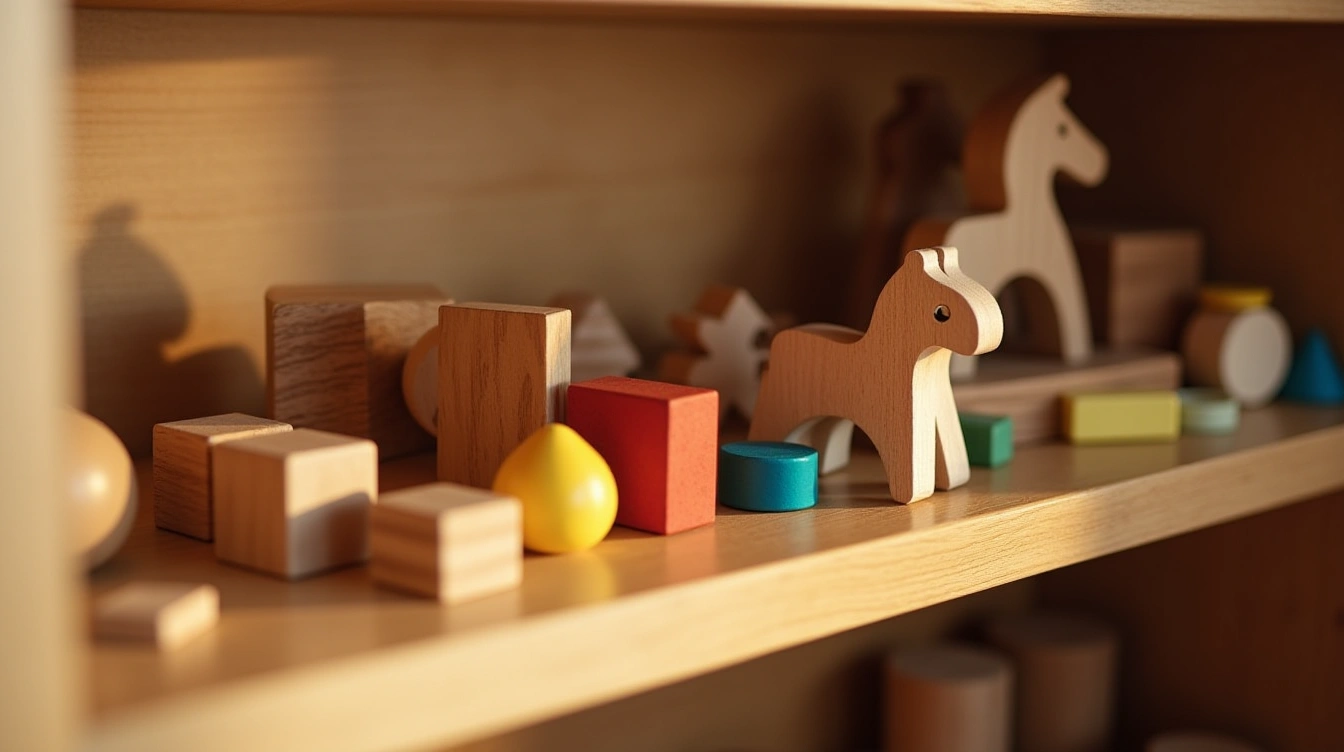
Each material incorporates natural elements like wood, cotton, and metal, creating a sensory experience that connects children to their environment. This deliberate choice of natural materials supports tactile development while avoiding the overstimulation often caused by plastic toys with electronic components.
In the same genre : Elevate Your Professional Style: An Essential Jewelry Guide for the Modern Workplace
The concept of self-correction stands at the heart of authentic Montessori design. Children discover mistakes independently through the material itself, building confidence and problem-solving skills without adult intervention. This approach fosters genuine understanding rather than mere memorization.
Our carefully curated selection respects the logical progression essential to Montessori education. Each material builds upon previous learning experiences, creating a seamless path from concrete concepts to abstract thinking. This systematic approach ensures that children develop solid foundations before advancing to more complex ideas.
Age-Appropriate Learning Tools for Every Development Stage
A child’s development follows a natural rhythm that the Montessori method deeply respects. Our educational toys are carefully organized by age group to support each crucial stage of learning, from birth through the early school years.
For toddlers aged 0 to 3, our materials focus on sensory exploration and fine motor skills. Natural wood rattles, teething rings, and early puzzle pieces stimulate the senses while developing hand-eye coordination. This fundamental period lays the foundation for all future learning.
Children aged 3 to 6 discover our selection of more complex materials: sandpaper letters for learning to write, golden beads for math, and nomenclature cards to enrich vocabulary. These tools naturally support their thirst for discovery and their growing need for independence.
Beyond age 6, our materials evolve towards more sophisticated intellectual challenges, smoothly preparing the transition to formal academic learning. Each toy adheres to the fundamental Montessori principle: allowing the child to learn at their own pace.
Essential Categories in Our Curated Collection
Our selection of Montessori toys covers all the fundamental learning areas to support your child’s natural development. Each category addresses specific needs and adapts to different stages of growth.
- Practical life: Learning towers, pouring games and adapted utensils that develop independence and fine motor coordination
- Sensory materials: Cylinder blocks, colored tablets, and various textures to refine the senses and visual discrimination
- Mathematics: Golden beads, red and blue rods, and colored counters that make abstract concepts concrete and manipulable
- Language: Rough letters, movable alphabets and nomenclature cards that accompany the learning of reading and writing
- Science: Botanical puzzles, maps of the continents, and exploration materials that spark scientific curiosity
- Geography: Colourful globes, relief maps and world flags to discover our planet in a sensory way
This diversity allows us to offer a complete educational experience that respects the pedagogical principles of Maria Montessori.
Why Authentic Materials Matter for Child Development
The distinction between authentic Montessori materials and conventional toys extends far beyond aesthetics. Authentic materials are meticulously crafted to serve a specific developmental purpose, following Maria Montessori’s scientific observations of how children naturally learn and grow.
Traditional toys often overwhelm children with bright colors, electronic sounds, and multiple functions that scatter attention. Montessori materials, by contrast, embrace simplicity and natural beauty. Each piece is designed with precise proportions and specific learning objectives, allowing children to focus deeply on one skill at a time.
The materials’ self-correcting nature represents another fundamental difference. When a child works with authentic Montessori tools, they can independently identify and correct mistakes without adult intervention. This builds confidence and develops critical thinking skills that extend far beyond the classroom.
Our carefully curated selection maintains these educational standards while ensuring each material meets the durability and safety requirements modern families expect. Every piece reflects Maria Montessori’s original vision of fostering independent learners who approach challenges with confidence and curiosity.
Choosing the Perfect Learning Materials for Your Child
Selecting the right Montessori materials requires understanding your child’s unique developmental stage and natural interests. Every child progresses at their own pace, making it essential to observe their curiosity and readiness before introducing new learning tools.
Consider your child’s current abilities and fascinations. A child drawn to textures might thrive with sensory materials like rough and smooth boards, while those showing interest in numbers could benefit from golden beads or number rods. The key lies in matching materials to their emerging skills rather than pushing ahead too quickly.
Your home environment also plays a crucial role in material selection. Choose items that fit your space and lifestyle while maintaining the Montessori principle of prepared environments. Simple, beautiful materials that invite exploration work better than overwhelming collections.
Our specialized team understands these nuances and can guide you toward materials that truly support your child’s learning journey. We help parents navigate the extensive range of authentic Montessori tools, ensuring each choice aligns with your child’s developmental needs and your family’s educational goals.
Questions About Our Montessori Collection
What makes Montessori toys different from regular toys?
Montessori toys are designed with specific educational purposes. They feature natural materials, promote independent learning, and develop fine motor skills through self-correcting activities rather than entertainment alone.
Where can I find authentic Montessori educational materials?
Our boutique specializes in authentic Montessori materials that meet strict pedagogical standards. We carefully select each item to ensure it aligns with Maria Montessori’s original educational principles.
How do I choose the right Montessori toys for my child’s age?
Consider your child’s current developmental stage and interests. Start with materials that challenge them slightly without causing frustration. Our expert team provides personalized recommendations based on individual needs.
Are Montessori toys worth the investment for child development?
Yes, quality Montessori materials promote long-term development. They build concentration, independence, and critical thinking skills that benefit children throughout their educational journey and beyond traditional play.
What are the best Montessori toys for toddlers and preschoolers?
Practical life activities, sensorial materials like color tablets, and simple puzzles work perfectly. Focus on materials that develop hand coordination and encourage exploration through natural learning processes.